CBS News Live
CBS News New York: Local News, Weather & More
Watch CBS News

On Your Corner. In Your Corner.

The NYPD made several arrests at a pro-Palestinian protest outside NYU's Stern School of Business in Gould Plaza.
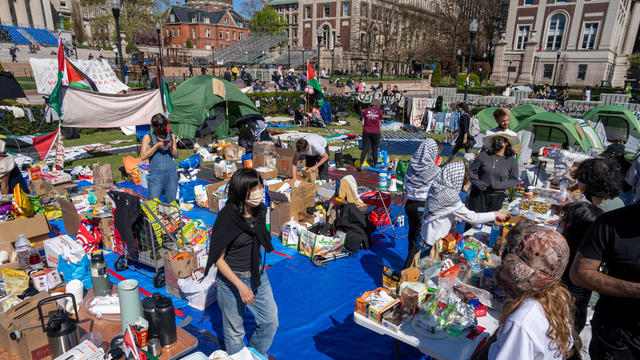
Protests over the Israel-Hamas war continue on Columbia University's campus, as Jewish students report feeling unsafe.

Jurors in former President Donald Trump's criminal trial in New York got their first glimpse of the arguments both sides plan to make.
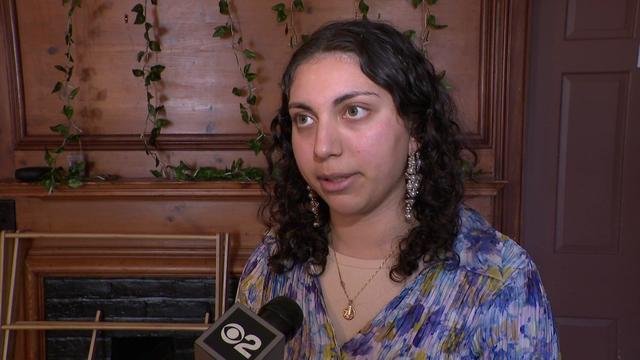
Yale University says it is investigating after a Jewish student reported a protester jabbed her in the eye with a Palestinian flag.
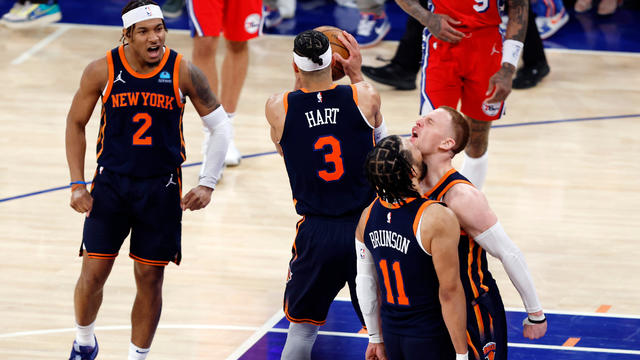
Donte DiVincenzo's 3-pointer with 13 seconds left lifted the Knicks to a 104-101 win over 76ers on Monday.

It's time to vote on which book to read next: "Missing White Woman" by Kellye Garrett, "Days of Wonder" by Caroline Leavitt, or "Honey" by Victor Lodato.
Today will be sunny, breezy and mild with highs in the mid-60s. Then, we're tracking some rain showers late tonight.
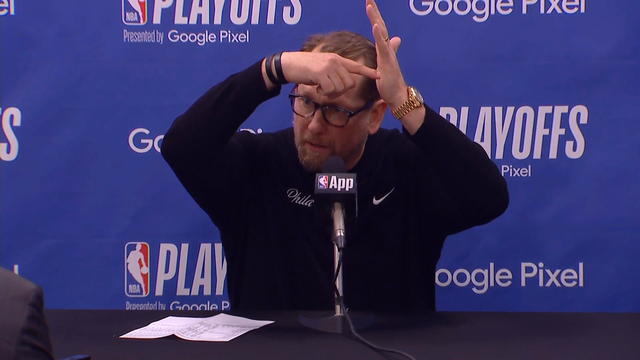
A Philadelphia 76ers spokesperson said the team plans to file a grievance over the officiating in the team's 104-101 loss to the New York Knicks on Monday night at Madison Square Garden.
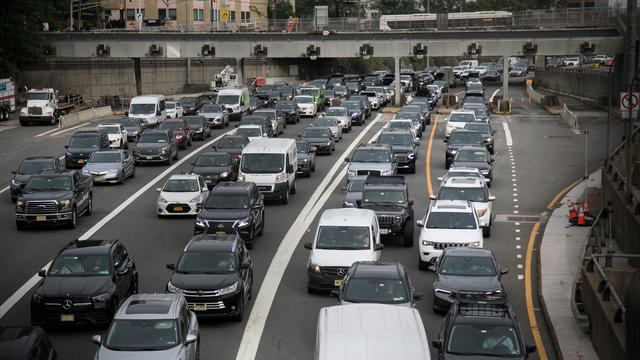
The MTA's own assessment says there will be an uptick in pollutants in Bergen County, Bronx and Staten Island due to congestion pricing.
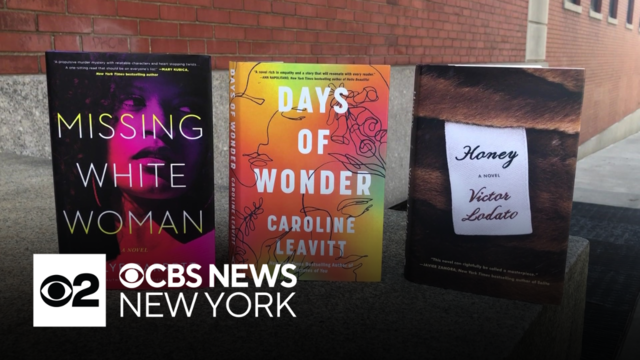
Will it be "Missing White Woman" by Kellye Garrett, "Days of Wonder" by Caroline Leavitt, or "Honey" by Victor Lodato?
CBS New York's First Alert Weather team has the latest weather forecast.

The former president is accused of falsifying business records to cover up alleged "hush money" payments, including to adult film star Stormy Daniels. CBS New York's Elijah Westbrook has a closer look at the case.
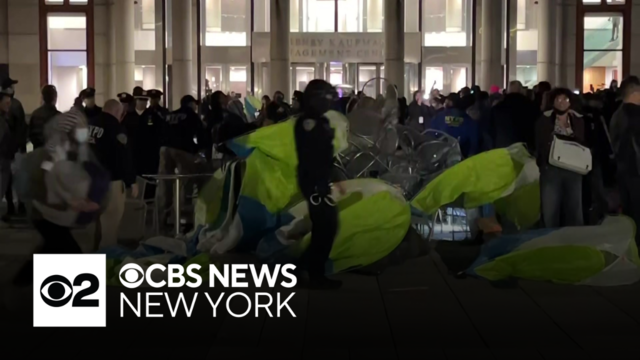
Several protesters were arrested when the NYPD broke up a pro-Palestinian protest Monday outside New York University. CBS New York's Christina Fan has the latest from campus in Lower Manhattan.
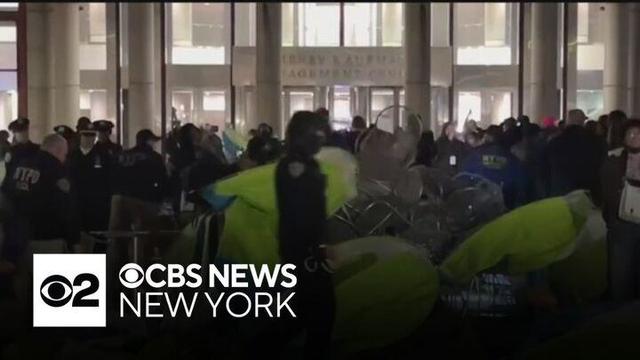
It has been six days of demonstrations at Columbia University and on Monday the same message spread to other schools around the country, including at NYU. CBS New York's Jenna DeAngelis reports.

A great investigative news tip should explain the situation in detail, be newsworthy, and have real-world consequences.
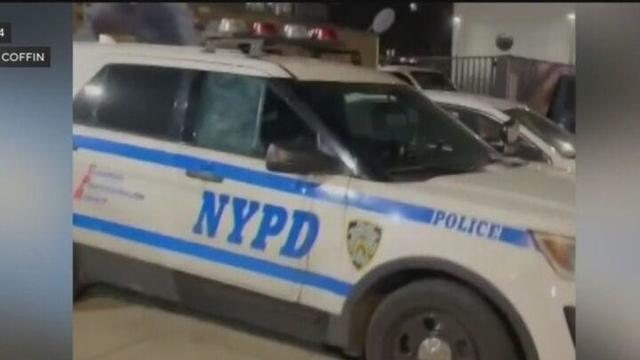
The DOJ is threatening to sue the NYPD if the practice of parking on sidewalks and crosswalks continues.

A New York City company promoted "$0 cost" COVID tests, then got over 100 complaints after people were told they may owe hundreds.
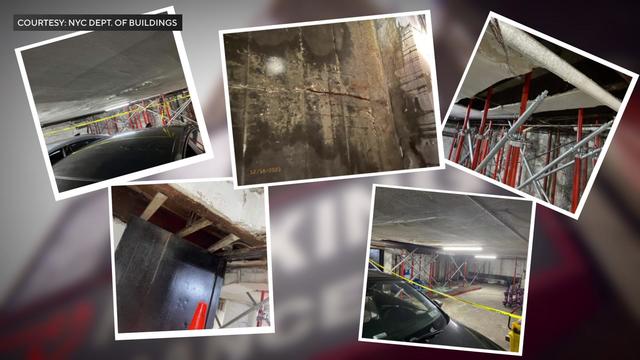
One year ago, a deadly New York City parking garage collapse sparked calls for increased oversight, but CBS New York has found inspections are past due for hundreds of garages across the city.
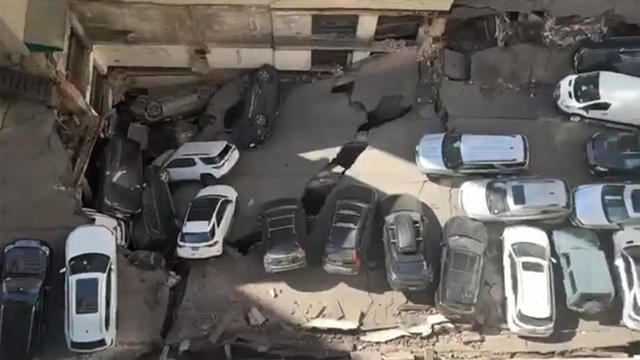
One person was killed and five others were injured in the parking garage collapse on Ann Street in the Financial District on April 18, 2023.

Three New York companies say their bills are being ignored after lighting up Citi Field for the Amaze Light Festival.
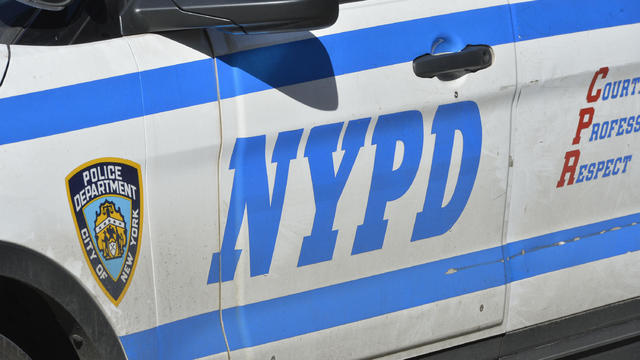
A new report from the NYPD's court-appointed monitor says the department still has plenty of work to do to address racial disparities in policing.

Local researchers are studying what a similar impact would mean for area bridges and shared their findings with CBS New York.
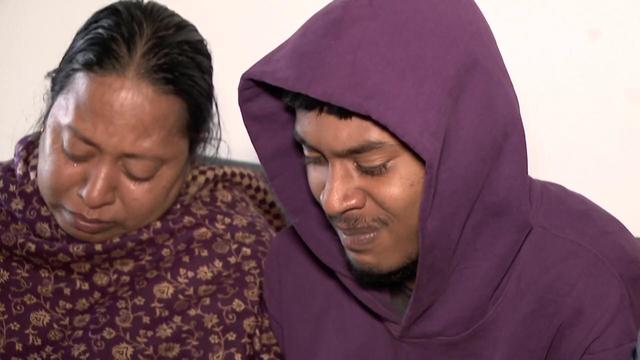
The deadly shooting of a mentally distressed Queens man who called 911 for help is putting a renewed focus on mental health emergencies.
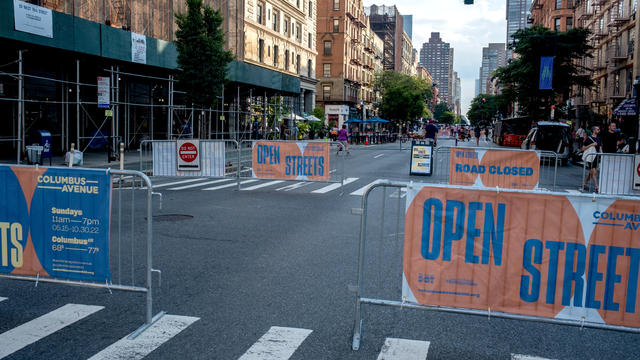
New York City's Open Streets program is back for the 2024 season, which means regular street closures across the five boroughs.
One year ago, a deadly New York City parking garage collapse sparked calls for increased oversight, but CBS New York has found inspections are past due for hundreds of garages across the city.

The Red Bank Police Department bid farewell to two beloved veteran K-9 officers, who are retiring.

From affordable housing to commercial properties, New York City developers are addressing the climate crisis in a variety of ways.
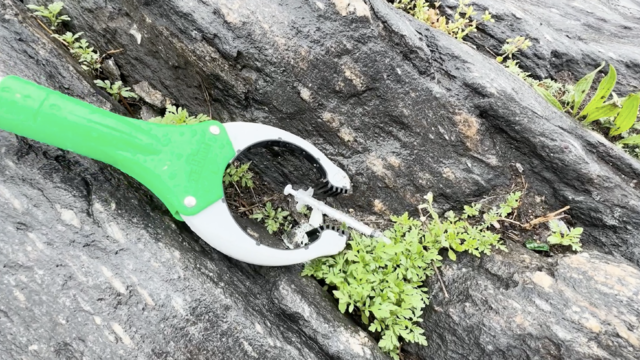
A New York City organization is taking action to clean up drug needles and syringes littering a South Bronx park.
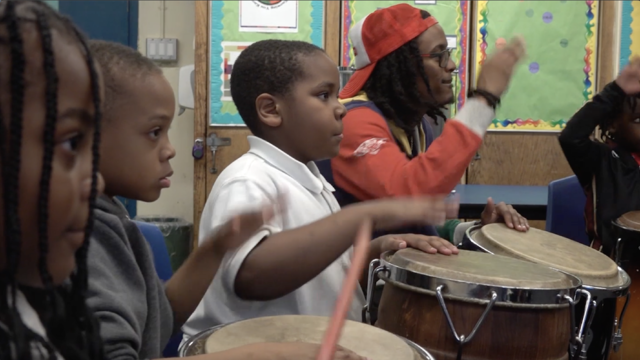
Brooklyn Charter School in Bed-Stuy is trying to help parents with the cost of child care by expanding the school day to 12 hours.
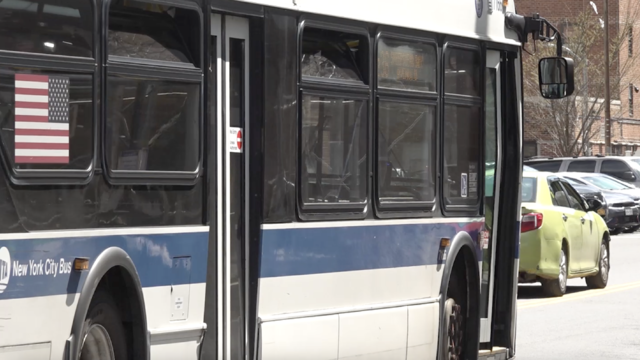
Residents in Southern Brooklyn are concerned over MTA's proposed changes as part of the Brooklyn Bus Network Redesign.
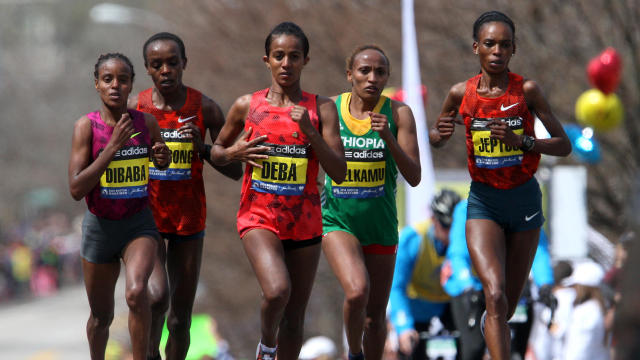
Buzunesh Deba, who lives in the Bronx, became the default winner of the 2014 Boston Marathon in 2016 when the first-place winner was disqualified for doping, but she says she has not yet received her prize money.
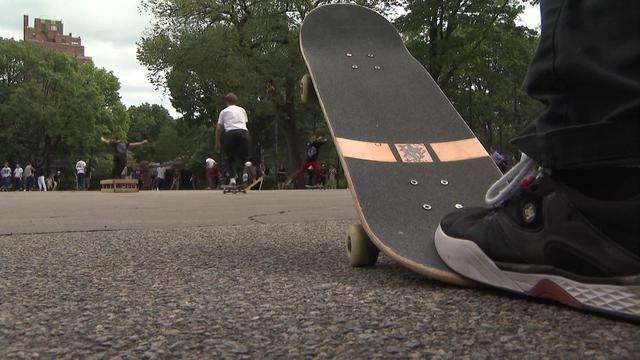
While many are excited about the idea of a state-of-the art skate park in Brooklyn, one of the largest on the East Coast, others oppose the location chosen.
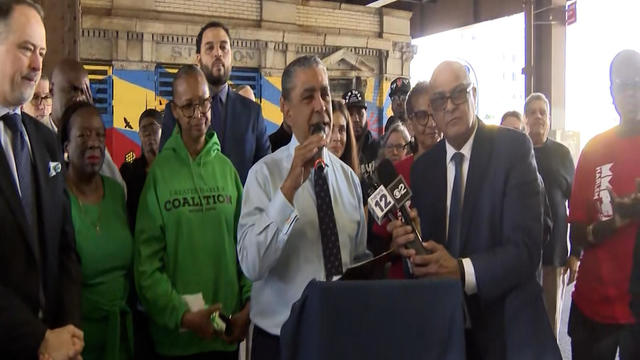
East Harlem community leaders say the state oversaturated the neighborhood with methadone and other drug treatment centers as most patients live elsewhere.
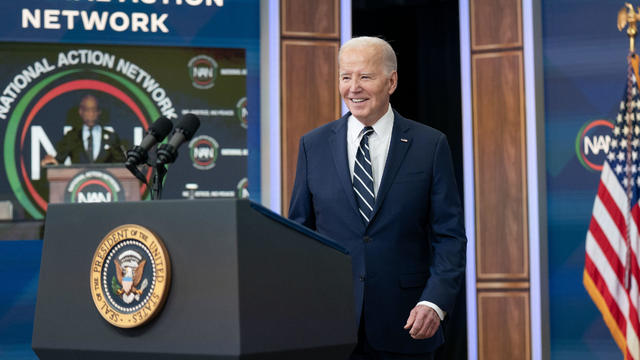
President Joe Biden dropped in virtually to speak at the National Action Network convention Friday, breaking down his efforts to reduce the burden on Black people and boost opportunities for their success.
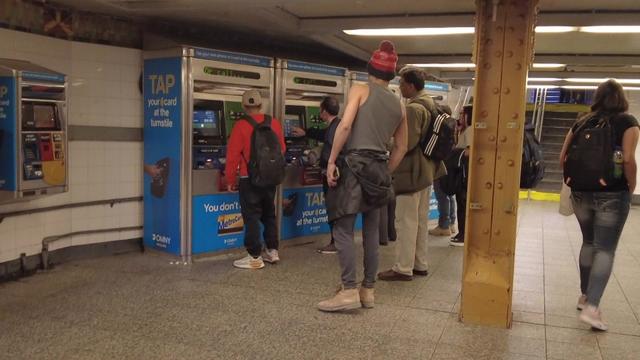
From eating cash to long lines, subway riders in Queens say their MetroCard machines are a mess.
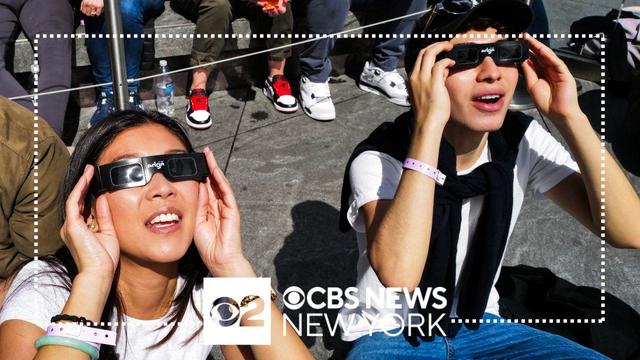
Watch our special program, "Empire State Eclipse." CBS New York had a team of reporters spread across the state covering the rare total solar eclipse as the path of totality moved through the state.
Many people want to understand how to overcome loneliness. Loneliness can impact just about anyone of any age and any circumstance. You can feel lonely with friends or family, at your job, or in a crowd.
Long before we knew the names Uvalde, Pulse Nightclub, Parkland, and Sandy Hook, the nation was stunned and horrified by the Long Island Rail Road massacre.
David Schechter explores the connection between wildfires and climate change for "On The Dot."

Experts say climate change will continue to impact the Tri-State Area, driving bigger storm surges, more intense rainfall more often, and extreme heat that lingers longer, to name a few.
In 2021, 44% of high school students reported they persistently felt sad or hopeless, according to the Centers for Disease Control and Prevention. That's why CBS2 launched a series of special reports on breaking the stigma when it comes to children and mental health.

Superstorm Sandy was deadly, destructive and relentless. Ten years after Sandy, the hardest-hit areas are recovering and rebuilding.

CBS2 honors and celebrates the contributions of Black people to American history in our special.
From the top of a volcano in Hawaii to highways across the country, we'll help you understand where carbon dioxide in the atmosphere comes from and how it's warming our planet.
If you or someone you know needs help, you can call or text 988 to speak with a trained, caring counselor.
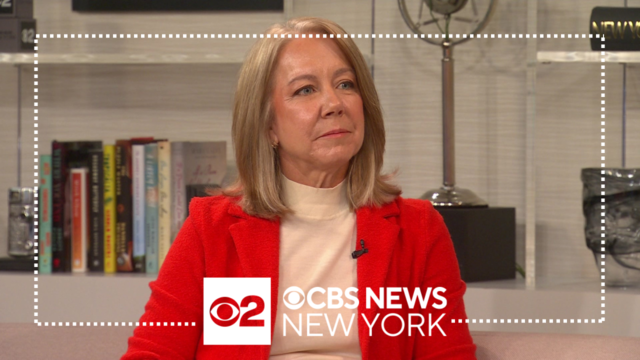
Your 20s are often referred to as the best time of your life, but for a lot of people, they can be a time of uncertainty at work in relationships and in regards to mental health. Dr. Meg Jay, an author and clinical psychologist, joins us to share her research.
Recent studies have found up to half of adolescents in the U.S. have engaged in self-harm at least once, often starting between the ages of 12 and 14. We're joined by psychologist Dr. Jennifer Hartstein, whose practice specializes in treating young people.
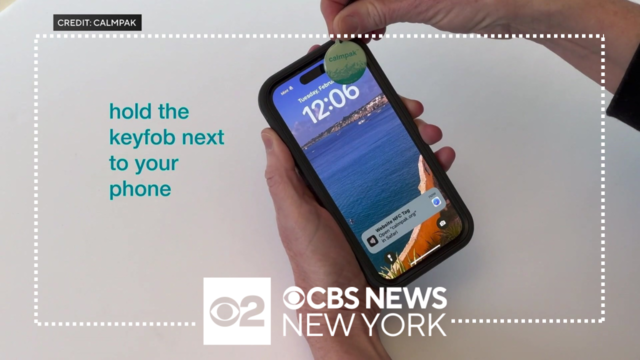
The technology gives users access to stress relief and relaxation techniques with practically the push of a button.
We hear from an expert who says boys often suffer in silence and shares advice for how parents can help.
Many people want to understand how to overcome loneliness. Loneliness can impact just about anyone of any age and any circumstance.
The forced isolation prompted increased feelings of despair and hopelessness. So how do we check in and support them four years later?
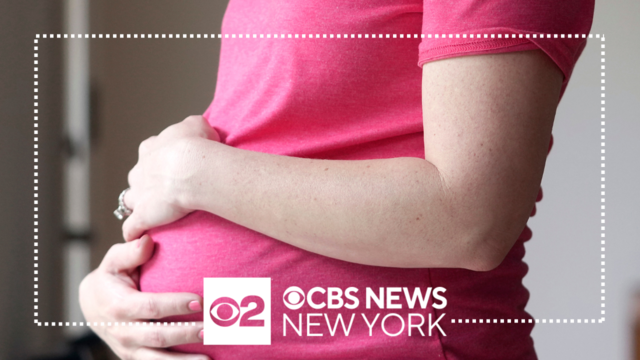
A recent study published in the journal JAMA Psychiatry suggests poor mental health may be a contributing factor.
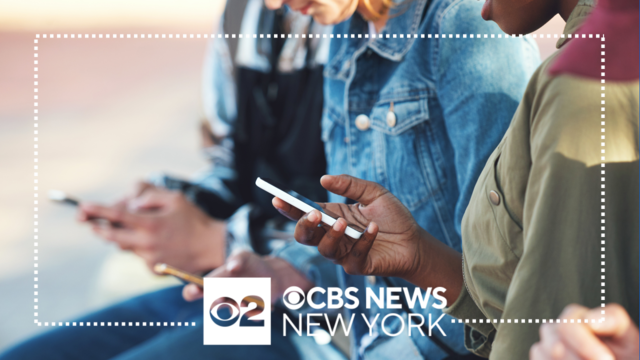
The city filed a lawsuit against TikTok, Instagram, Facebook, Snapchat and YouTube.
A Philadelphia 76ers spokesperson said the team plans to file a grievance over the officiating in the team's 104-101 loss to the New York Knicks on Monday night at Madison Square Garden.
Donte DiVincenzo's 3-pointer with 13 seconds left lifted the Knicks to a 104-101 win over 76ers on Monday.

Carolina scored 9 seconds apart in a 4-goal third period in a 5-3 victory over the Islanders in Game 2
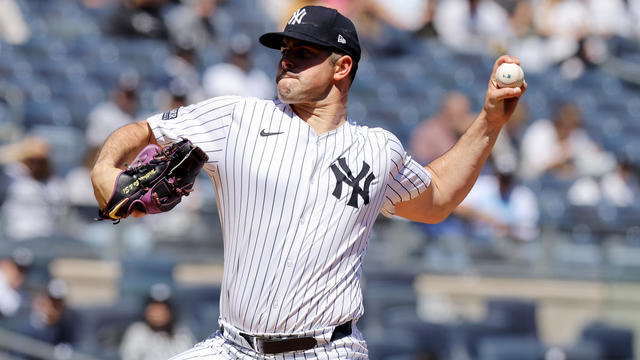
Carlos Rodon pitched 7 stellar innings, but the Yankees still lost to the Athletics 2-0 on Monday.
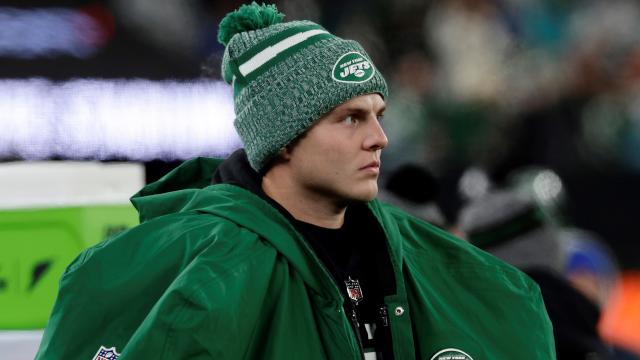
The New York Jets reportedly traded quarterback Zach Wilson and a seventh-round draft pick to the Denver Broncos.

Younger adults are aging faster, increasing their risk for early onset cancers. So which anti-aging techniques actually work?
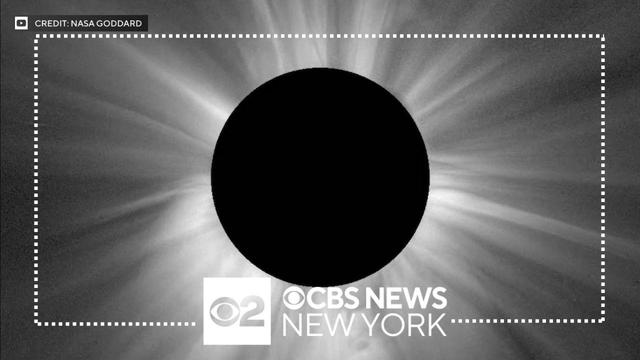
There's no safe time to look directly at the 2024 solar eclipse in the New York City area because it's outside the path of totality. Dr. Nidhi Kumar explains why you need special eclipse glasses to prevent permanent eye damage.
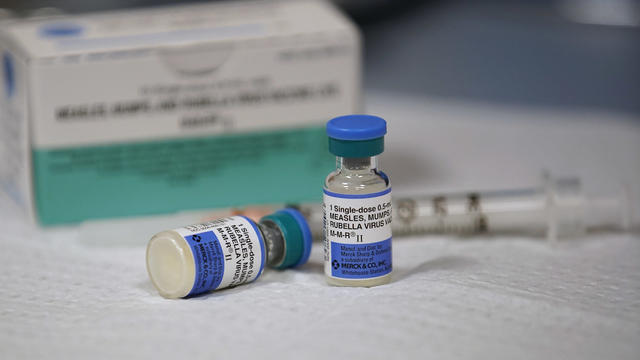
According to the CDC, cases of the highly infectious disease have already exceeded the total number of cases for all of 2023.
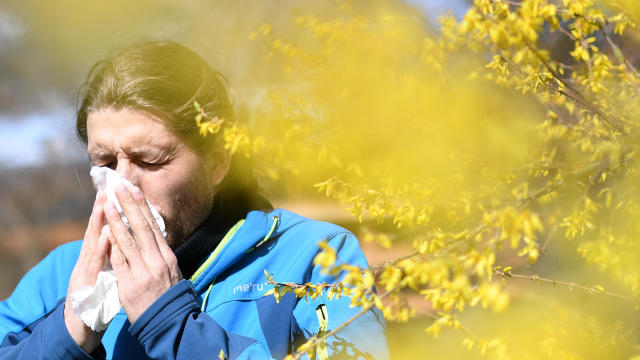
The CDC says roughly 25% of Americans suffer from season allergies, and studies suggest pollen season is getting longer and more intense.
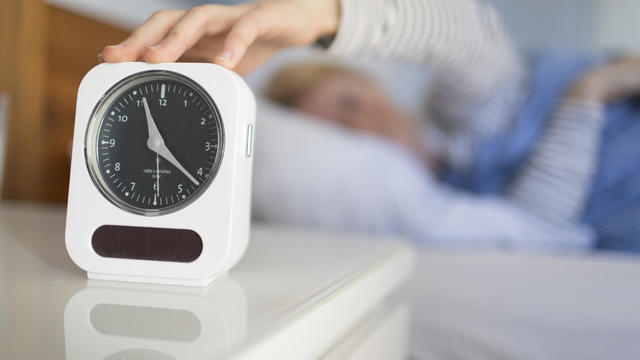
Dr. Nidhi Kumar is On Call for CBS New York to break down the most common sleep disorders.
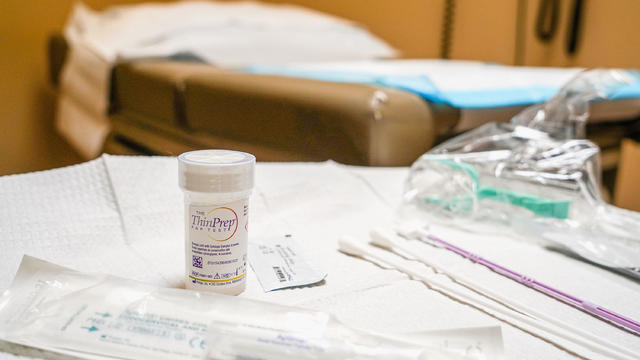
With expanded screening, treatment and vaccination, experts believe cervical cancer can be completely eliminated.
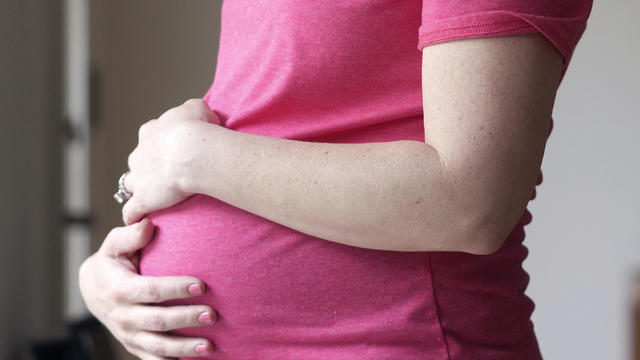
Maternal mortality continues to rise in the U.S., and a recent study suggests poor mental health may be a factor.
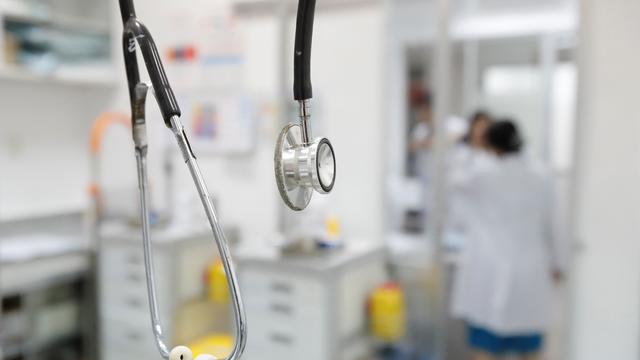
While very important, only 8% of patients attend the recommended 36 sessions of cardiac rehab.
Atrial fibrillation, or a-fib, is serious heart condition that causes abnormal heart rhythm.
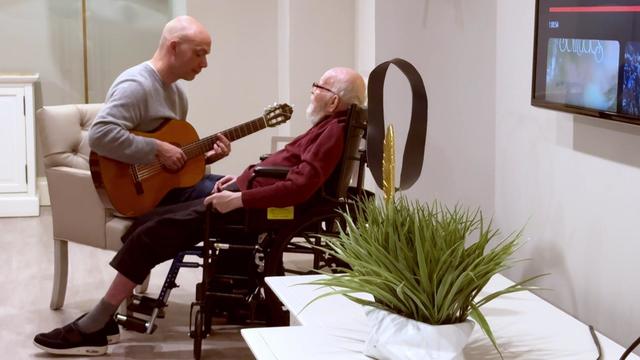
More than 6 million Americans are living with dementia, and while there is no cure, patients can be helped by music.
Join CBS New York's Steve Overmyer in a tribute to winter in the Big Apple, when Christmas dreams and Hanukkah hopes brighten the skyline and warm our hearts even on the coldest nights.
Join us for a special Thanksgiving edition of stories of gratitude with CBS New York’s Steve Overmyer.
Get ready for a spine-chilling adventure as we delve into the world of the supernatural!
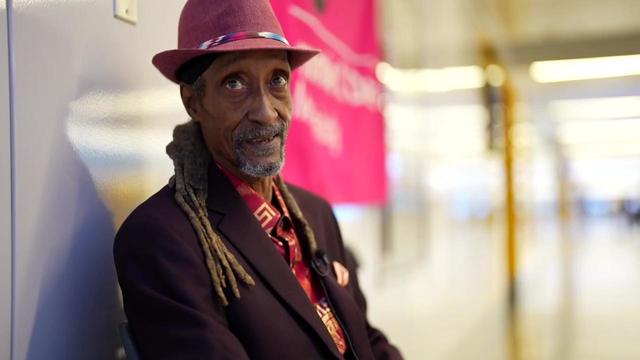
One man is making it his mission to give the heart of New York a heartbeat.
Will it be "Missing White Woman" by Kellye Garrett, "Days of Wonder" by Caroline Leavitt, or "Honey" by Victor Lodato?
It's time to vote on which book to read next: "Missing White Woman" by Kellye Garrett, "Days of Wonder" by Caroline Leavitt, or "Honey" by Victor Lodato.
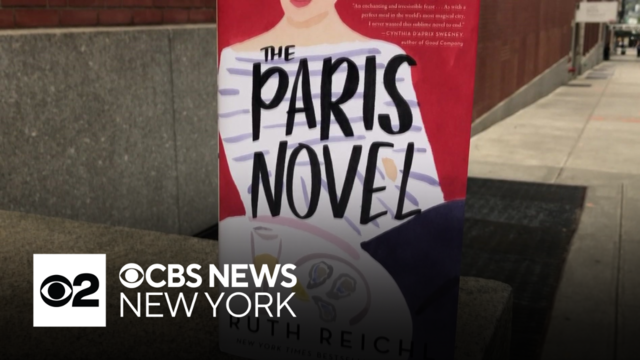
Our book club with Mary Calvi has a bonus read that is hitting shelves and sites next week. Hear from the author, Ruth Reichl.

The CBS New York Book Club is celebrating indie bookstores with the help of Bookshop.org.
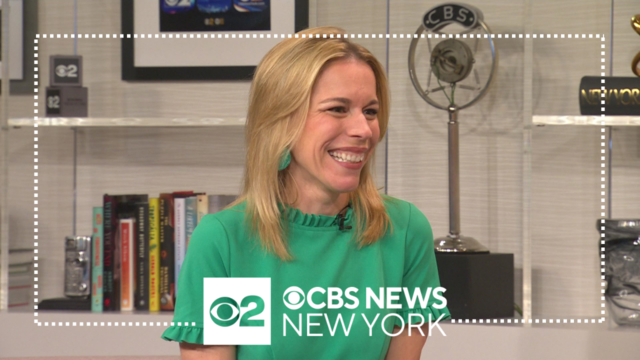
"Finding Margaret Fuller" has been chosen as our next read for the CBS New York Book Club with Mary Calvi.
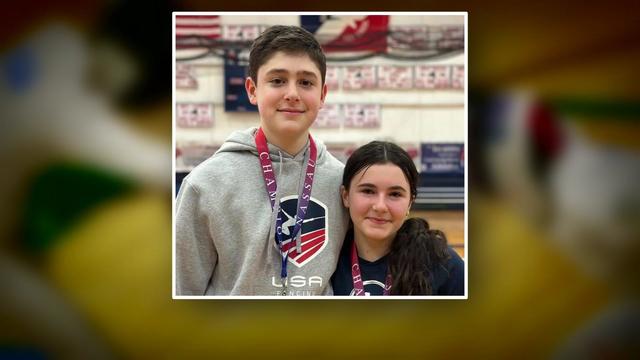
Meet freshman Luke Kugler and sophomore Gabriella Sherlock, who are dominating here at home and on the national level.
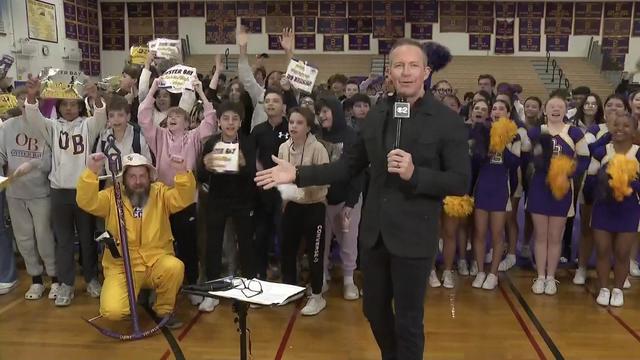
CBS New York's Chris Wragge spent the morning at the school that has everything from a fencing program to 3D printing.
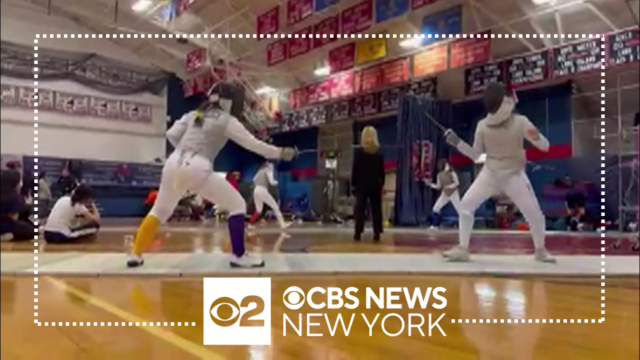
Class Act with Chris Wragge heads to Long Island tomorrow for a live look at the school and its students.

CBS New York's Chris Wragge will be live from the high school this Friday morning.
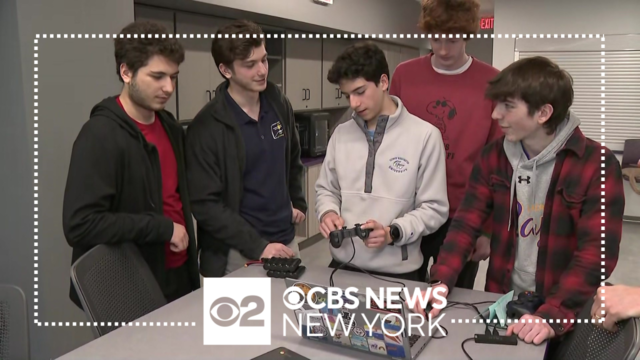
CBS New York's Chris Wragge will be live at the Long Island high school this Friday morning.
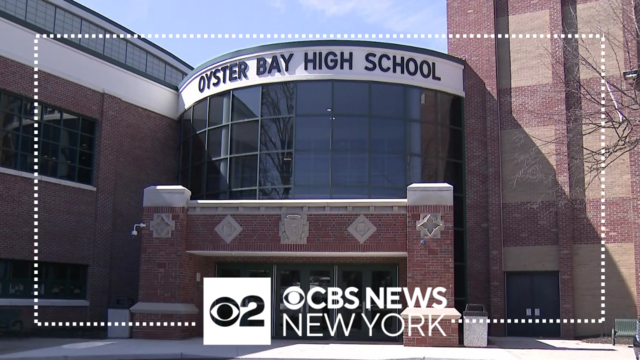
This Friday, our morning show will be live from Oyster Bay High School in Nassau County.
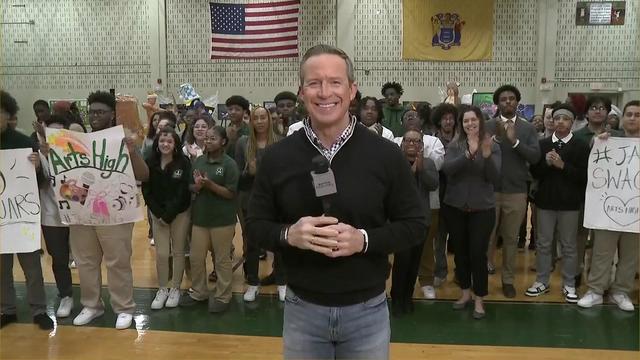
CBS New York's Class Act with Chris Wragge is live this morning from the nearly-century-old school.
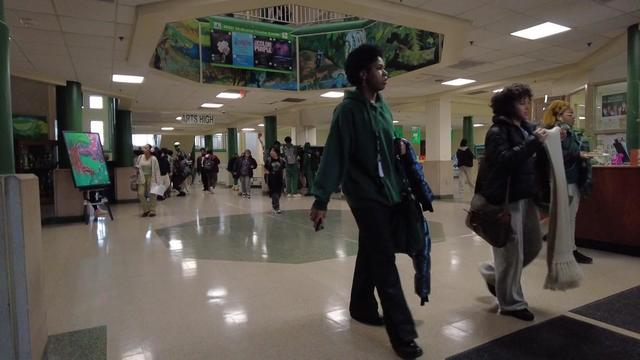
Arts High School of Newark has been around for nearly a century, and it's a school where dreams come true -- not for a few, but for many.
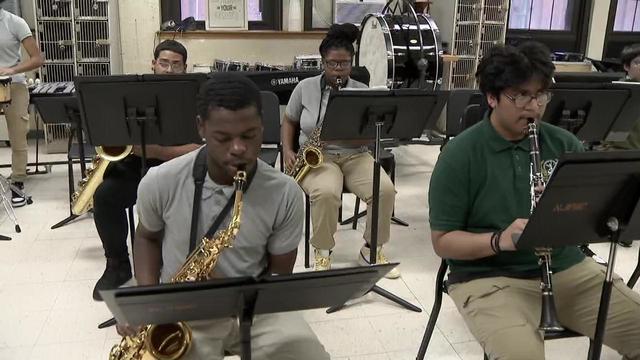
Be sure to join us Friday, when we'll be live all morning from Newark Arts High School.

For anyone living in New York City (or planning to move into Manhattan), and who's looking to save money by bundling their TV and home Internet service, here are the best options.

Need internet at your new home ASAP? Here's how to set up a simple, painless transfer that'll have you online in no time.

Before you make the big move to the Big Apple, make sure your new home internet is the fastest, and offers the best value.
Today will be sunny, breezy and mild with highs in the mid-60s. Then, we're tracking some rain showers late tonight.
The MTA's own assessment says there will be an uptick in pollutants in Bergen County, Bronx and Staten Island due to congestion pricing.
From affordable housing to commercial properties, New York City developers are addressing the climate crisis in a variety of ways.
The NYPD made several arrests at a pro-Palestinian protest outside NYU's Stern School of Business in Gould Plaza.
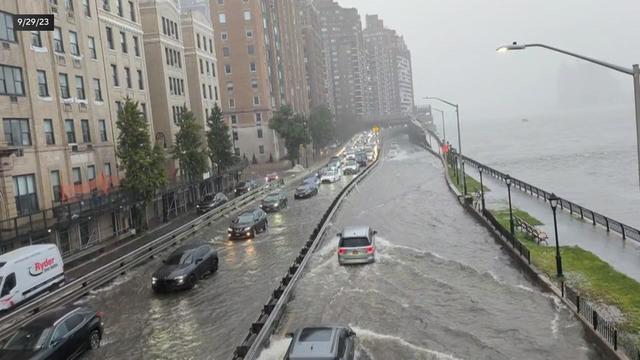
Poor planning, low staffing and miscommunication plagued New York City's response to Tropical Storm Ophelia in 2023, according to the report.
Today will be sunny, breezy and mild with highs in the mid-60s. Then, we're tracking some rain showers late tonight.
Yale University says it is investigating after a Jewish student reported a protester jabbed her in the eye with a Palestinian flag.
A chilly morning will give way to sunshine and mild temperatures by the afternoon. Expect highs in the low 60s.
Sunday will be the cooler half of the weekend, with more clouds over the Tri-State Area.
As morning rain showers exit Long Island, it sets up a much drier afternoon and a nice spring day overall!
Today will be sunny, breezy and mild with highs in the mid-60s. Then, we're tracking some rain showers late tonight.
The MTA's own assessment says there will be an uptick in pollutants in Bergen County, Bronx and Staten Island due to congestion pricing.

First responders raced through smoke to save dozens of dogs trapped inside a pet hotel near a fire in Fairfield, New Jersey.
The New York Jets reportedly traded quarterback Zach Wilson and a seventh-round draft pick to the Denver Broncos.
A chilly morning will give way to sunshine and mild temperatures by the afternoon. Expect highs in the low 60s.
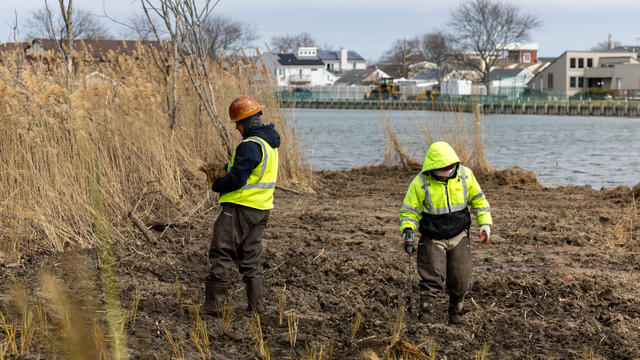
Long Island is on the front line in the battle against climate change, and some residents there are doing what they can to fight it - including taking inspiration from nature itself.
Sunday will be the cooler half of the weekend, with more clouds over the Tri-State Area.
As morning rain showers exit Long Island, it sets up a much drier afternoon and a nice spring day overall!
A New York City company promoted "$0 cost" COVID tests, then got over 100 complaints after people were told they may owe hundreds.
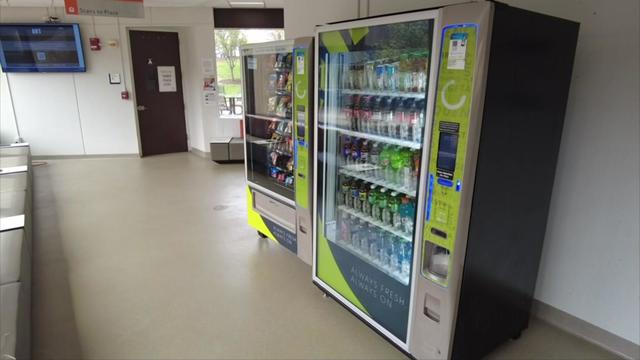
The Nassau Community College campus in Uniondale is suddenly without any cafeteria, cafe or snack bar, leaving vending machines as the only option for 12,000 students.
The MTA's own assessment says there will be an uptick in pollutants in Bergen County, Bronx and Staten Island due to congestion pricing.
The NYPD made several arrests at a pro-Palestinian protest outside NYU's Stern School of Business in Gould Plaza.
Poor planning, low staffing and miscommunication plagued New York City's response to Tropical Storm Ophelia in 2023, according to the report.
The DOJ is threatening to sue the NYPD if the practice of parking on sidewalks and crosswalks continues.
Protests over the Israel-Hamas war continue on Columbia University's campus, as Jewish students report feeling unsafe.
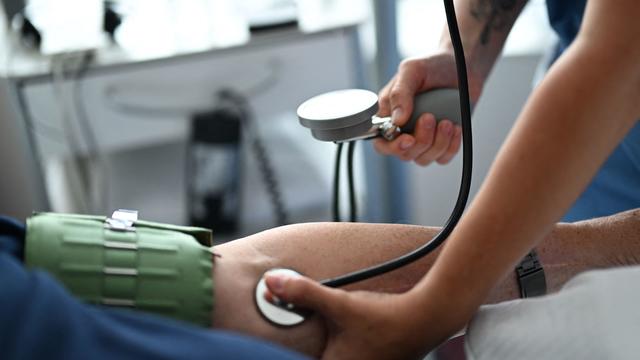
High blood pressure, or hypertension, may increase the risk of dementia, according to a new study. Hear from a doctor for advice on lowering your risk factors.
A New York City company promoted "$0 cost" COVID tests, then got over 100 complaints after people were told they may owe hundreds.
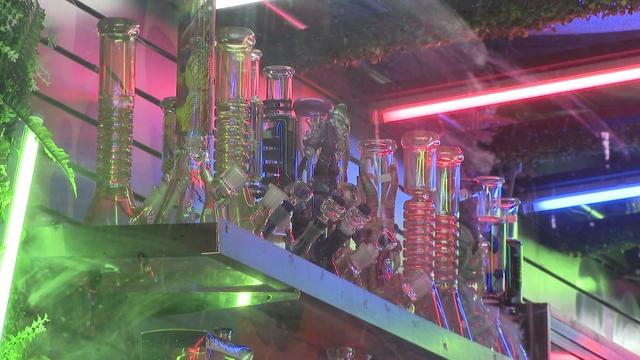
On the eve of 4/20, Gov. Kathy Hochul unveiled a plan for law enforcement to lock up thousands of illegal marijuana shops.
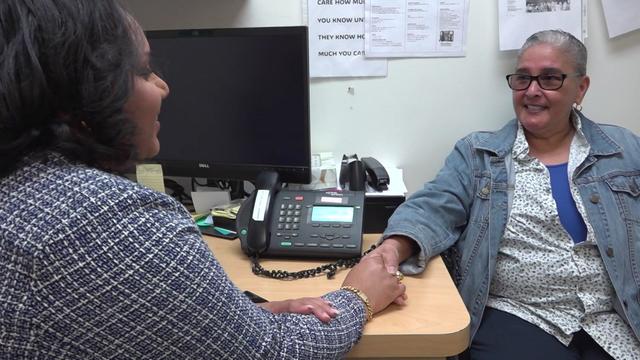
Montefiore in the Bronx screened 200,000 people for social detriments of health, and found at least 20% have at least one social need.

Health officials are warning consumers not to consume Infinite Herbs basil sold at some Trader Joe's and Dierberg's stores after 12 people were sickened.
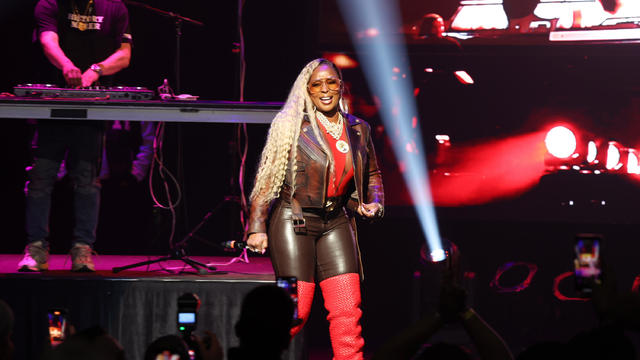
Mary J. Blige, Cher, Foreigner, A Tribe Called Quest, Kool & The Gang, Ozzy Osbourne, Dave Matthews Band and Peter Frampton have been named to the Rock & Roll Hall of Fame.

The classic musical, which first opened in 1966, is back on Broadway in an immersive new production titled "Cabaret at the Kit Kat Club," starring Eddie Redmayne, Gayle Rankin and Bebe Neuwirth. Leave your troubles outside!
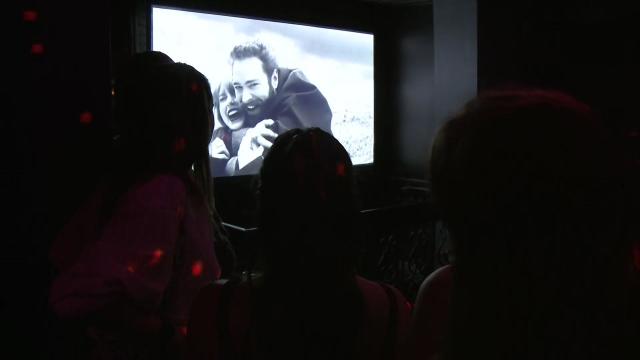
Taylor Swift's new album, "The Tortured Poets Department," was released Friday, and Swifties in New York City came together to celebrate.
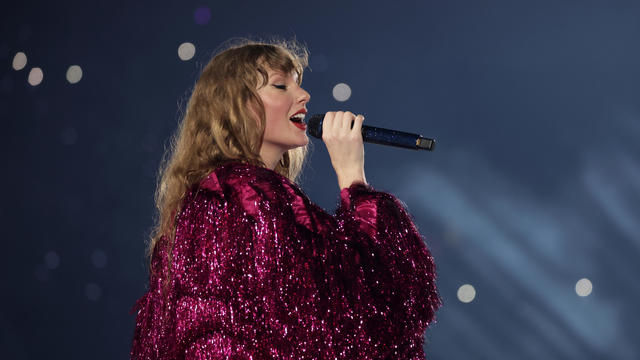
Anticipation was growing at a fever pitch before Taylor Swift's latest album, "The Tortured Poets Department," dropped at midnight EDT. But it turned out it's actually a double album.
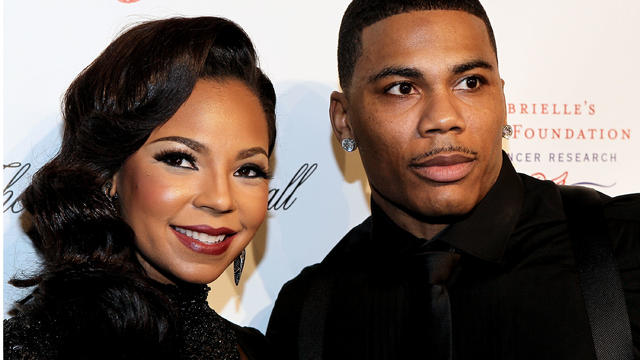
The singers first dated in 2003 and delighted fans when they rekindled their relationship in 2023.
A Philadelphia 76ers spokesperson said the team plans to file a grievance over the officiating in the team's 104-101 loss to the New York Knicks on Monday night at Madison Square Garden.
Donte DiVincenzo's 3-pointer with 13 seconds left lifted the Knicks to a 104-101 win over 76ers on Monday.
Carolina scored 9 seconds apart in a 4-goal third period in a 5-3 victory over the Islanders in Game 2
Carlos Rodon pitched 7 stellar innings, but the Yankees still lost to the Athletics 2-0 on Monday.
The New York Jets reportedly traded quarterback Zach Wilson and a seventh-round draft pick to the Denver Broncos.
From affordable housing to commercial properties, New York City developers are addressing the climate crisis in a variety of ways.
A New York City organization is taking action to clean up drug needles and syringes littering a South Bronx park.
Brooklyn Charter School in Bed-Stuy is trying to help parents with the cost of child care by expanding the school day to 12 hours.
Residents in Southern Brooklyn are concerned over MTA's proposed changes as part of the Brooklyn Bus Network Redesign.
Buzunesh Deba, who lives in the Bronx, became the default winner of the 2014 Boston Marathon in 2016 when the first-place winner was disqualified for doping, but she says she has not yet received her prize money.

The Francis Scott Key Bridge in Baltimore collapsed early Tuesday, March 26 after a column was struck by a container ship that reportedly lost power, sending vehicles and people into the Patapsco River.
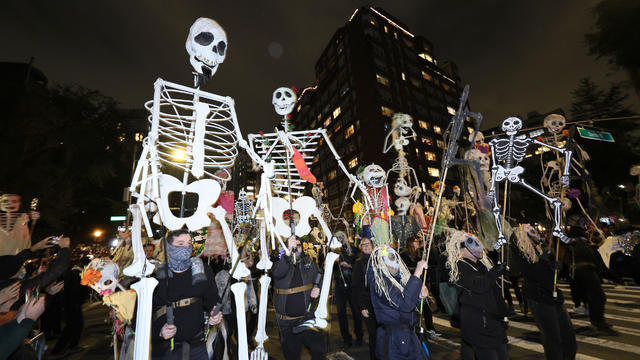
The 50th Annual Village Halloween Parade drew massive crowds, celebrating the theme "Upside/Down:Inside/OUT."
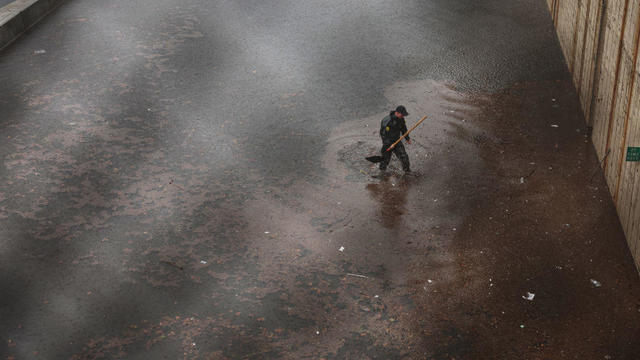
As much of the northeast experiences heavy rains, parts of New York City are beginning to flood.

Thousands of people flooded Union Square on Friday for a PlayStation giveaway promoted by livestreamer Kai Cenat.

A crane went up in flames high above Manhattan, then partially collapsed onto the street below.
Will it be "Missing White Woman" by Kellye Garrett, "Days of Wonder" by Caroline Leavitt, or "Honey" by Victor Lodato?
CBS New York's First Alert Weather team has the latest weather forecast.
The former president is accused of falsifying business records to cover up alleged "hush money" payments, including to adult film star Stormy Daniels. CBS New York's Elijah Westbrook has a closer look at the case.
Several protesters were arrested when the NYPD broke up a pro-Palestinian protest Monday outside New York University. CBS New York's Christina Fan has the latest from campus in Lower Manhattan.
It has been six days of demonstrations at Columbia University and on Monday the same message spread to other schools around the country, including at NYU. CBS New York's Jenna DeAngelis reports.